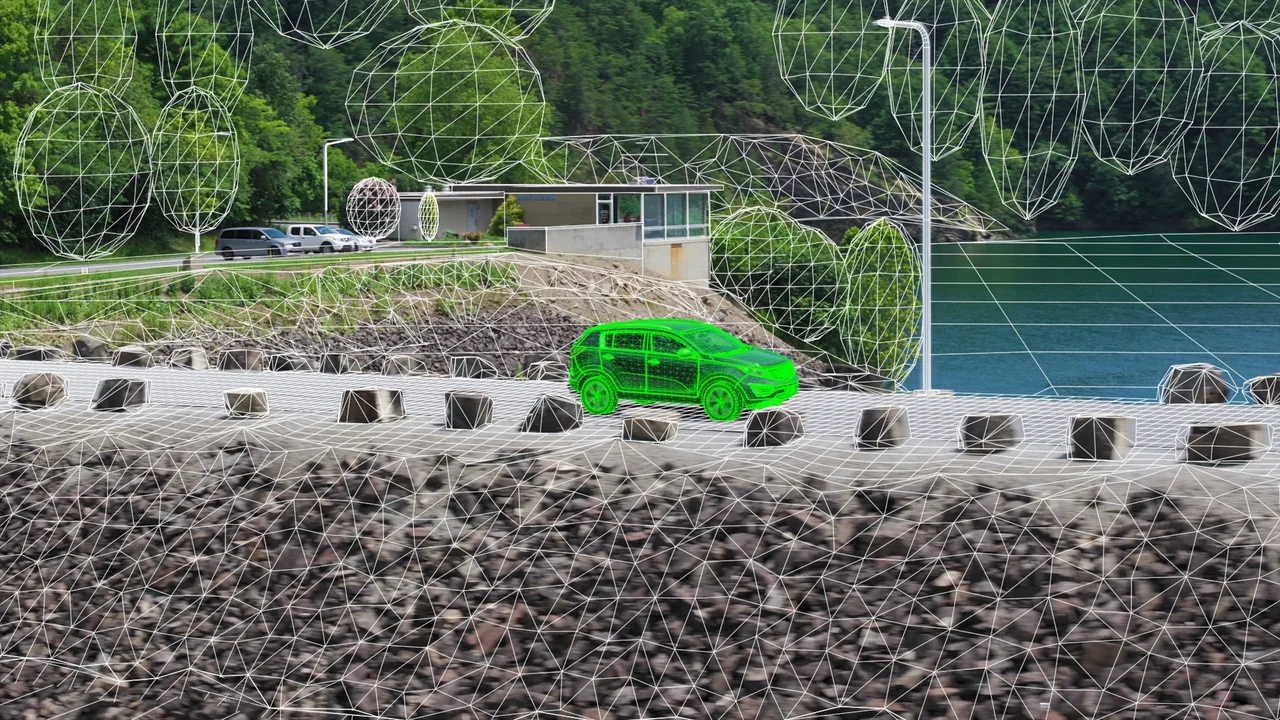
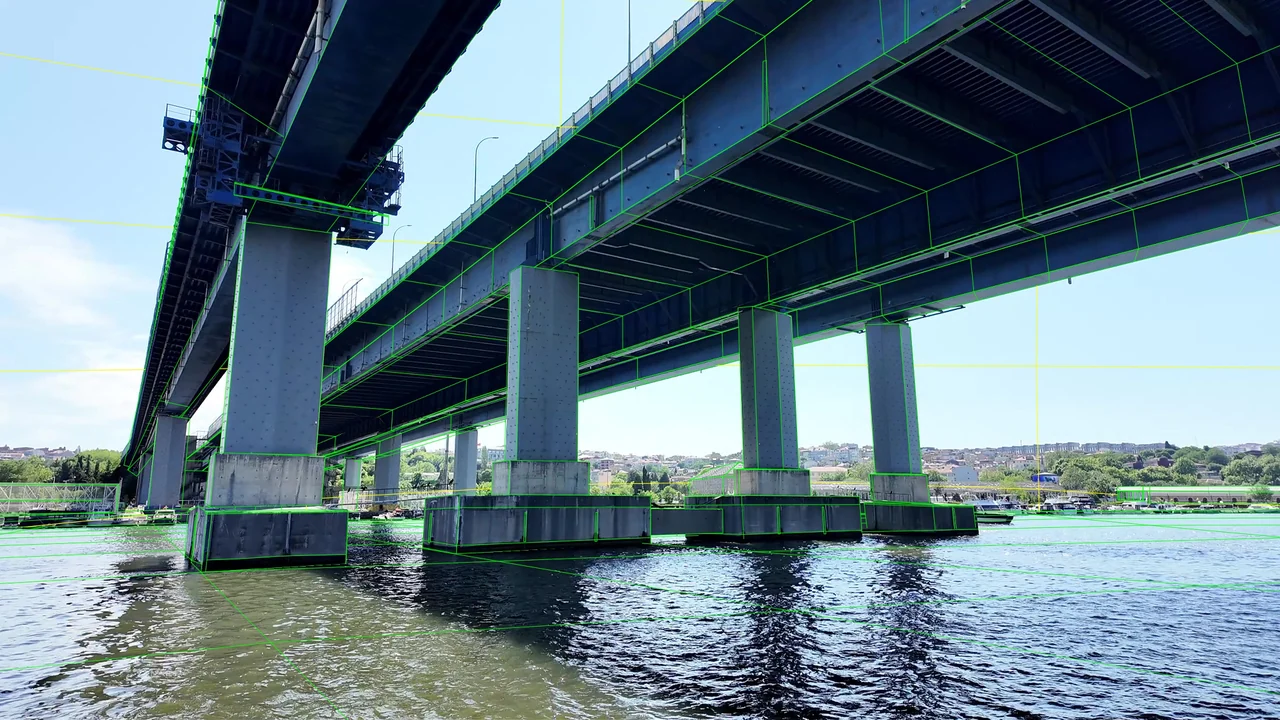
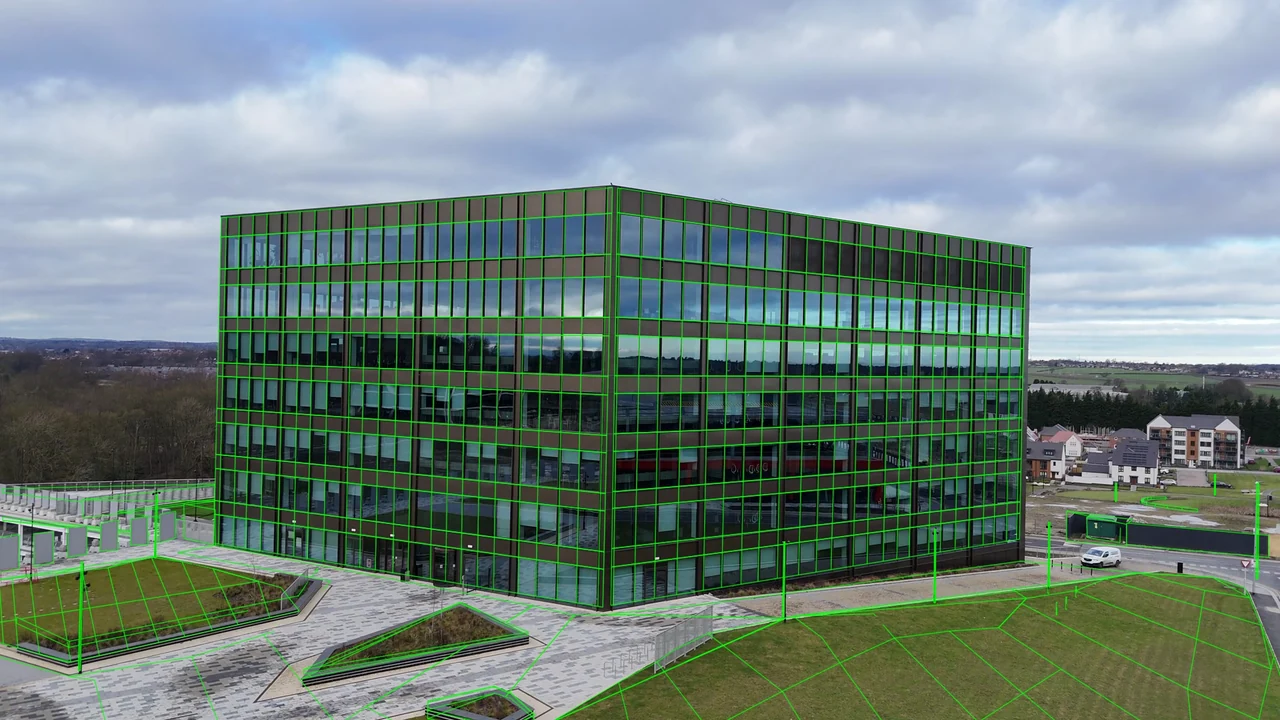
Find stable structure in the forest.
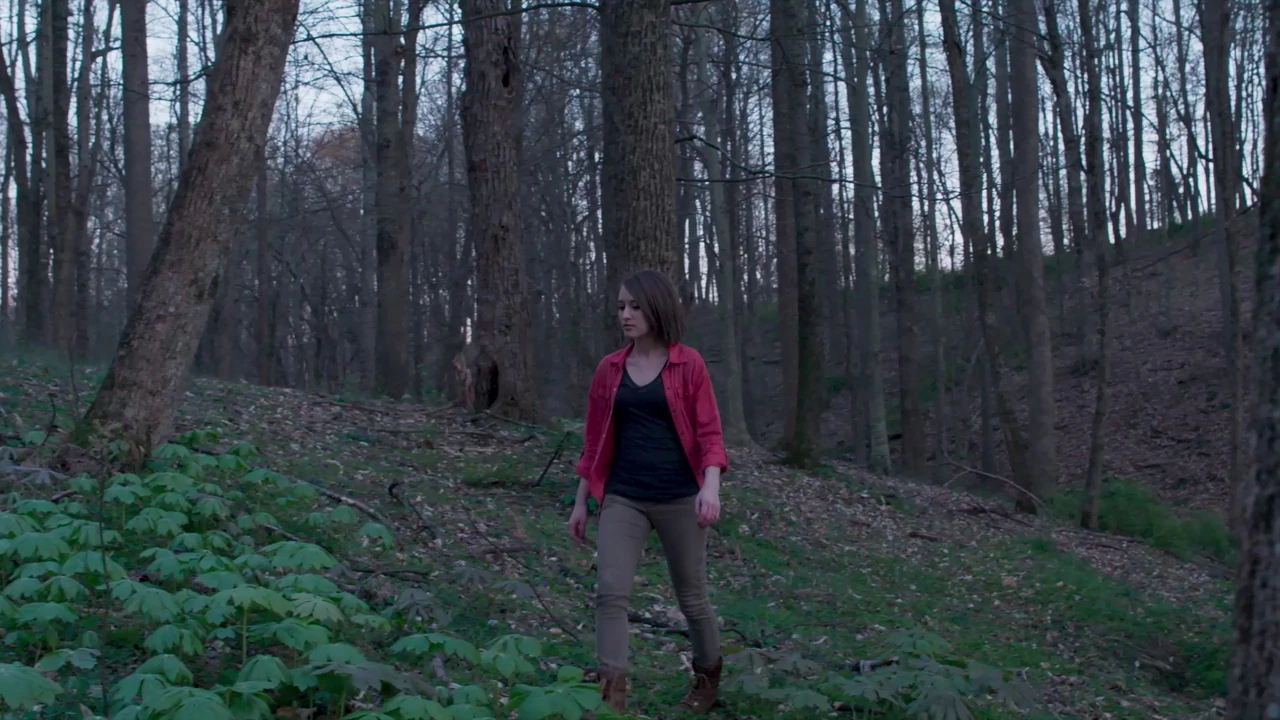
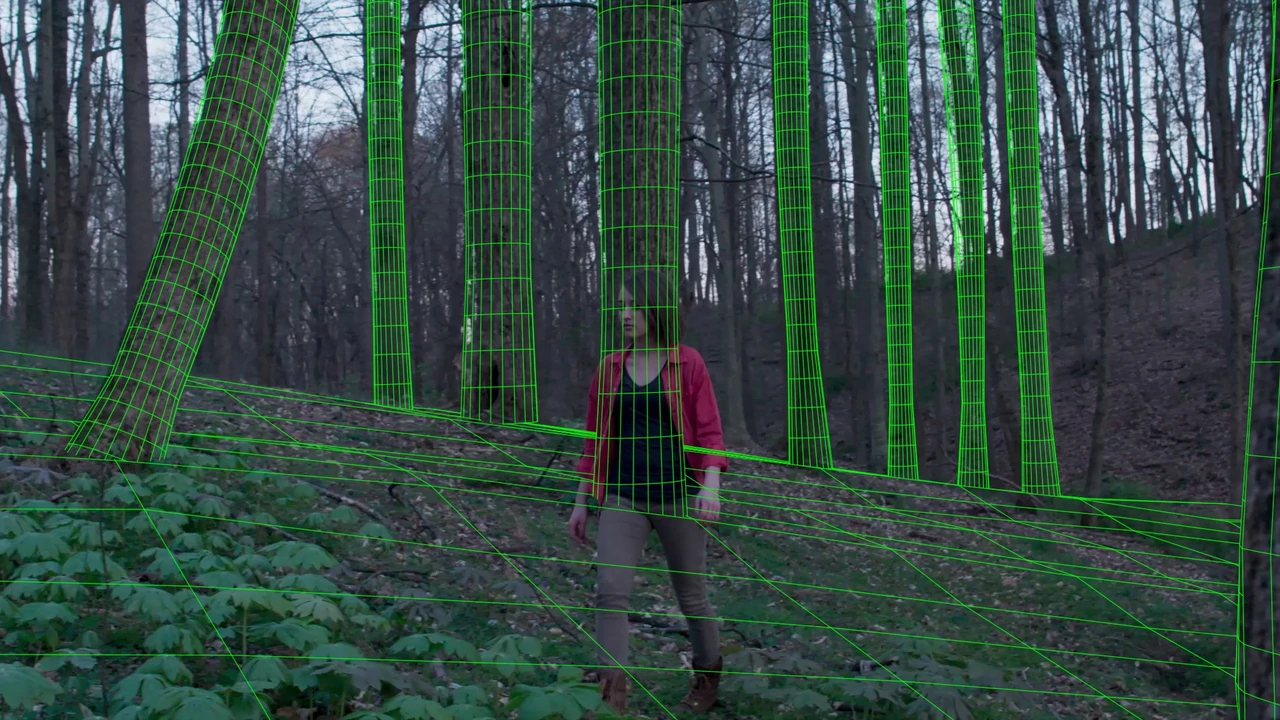
The close trunk crosses the frame while foliage and the performer move independently. Stable bark, path and bank features provide the useful references for the environment camera.

Camera Tracking & Forest Proxies
A camera and environment reference study through layered trees, uneven ground and foreground occlusion.
Original plate → wireframe · Silent, edited breakdown.Download video ↗
The close trunk crosses the frame while foliage and the performer move independently. Stable bark, path and bank features provide the useful references for the environment camera.
The TrackArc FX study uses measured background and bark tracks with 16 static forest proxies. The close foreground trunk was rebuilt as a volumetric mesh, with unseen back surfaces identified as inferred.
The reference package includes a native 3DEqualizer scene, a Maya camera scene and editable forest geometry. Frame-by-frame review records retain the areas requiring further foreground outline refinement.
Self-initiated reference study. The close foreground trunk’s middle-to-late outline and exit remain refinement areas; this page presents the camera and environment work.
The same frame, before and after. Move the divider to inspect the geometry against the photography.
FROM PLATE TO REVIEW
The tracking, geometry and review stages behind this study.
Use bark, path and bank features to read depth through the camera move. Separate the performer and moving foliage from the static environment references.
Review the provisional camera reconstruction in 3DEqualizer4. This study uses preview references, so unavailable lens calibration and clean-source registration remain limitations.
Organise the camera and 16 static forest proxies in Autodesk Maya. Treat the foreground trunk as a volume, while keeping unseen back surfaces and terrain extensions identifiable as inferred geometry.
Prepare the wireframe view through the reference camera and compare it with the source frame. The foreground trunk’s silhouette and exit are the most sensitive review areas.
Use Nuke to align the plate and technical review outputs for comparison. Presentation work must preserve the underlying camera timing and reveal, rather than conceal, remaining outline differences.
Use RV for playback and frame-by-frame inspection of the foreground crossing. Retain the documented middle-to-late outline deviations as refinement notes in the reference handoff.
SCENE & REVIEW
Camera data and forest geometry were checked through native save/reopen and 120-frame review renders. The current reference camera and 16 static proxies are retained in the Maya assembly used for the presentation.
Explore camera & object tracking services ↗Different shots. The same attention to perspective and depth.
Reference plate: ActionVFX — Woman Walking Through Forest / PF0059. The supplied package identifies the plates as website-preview references, with clean-source licensing confirmation and character usage rights still unverified in that record. Supplied rig, correction and source notes.
Reconstruction notes. The camera is a provisional reconstruction from website-preview references. Metric scale and lens calibration are unavailable. The foreground trunk retains outline deviations, and some terrain and unseen surfaces are inferred. Clean-source registration and further match refinement remain outstanding.
Source records for the four-shot presentation. Credits & source licences.