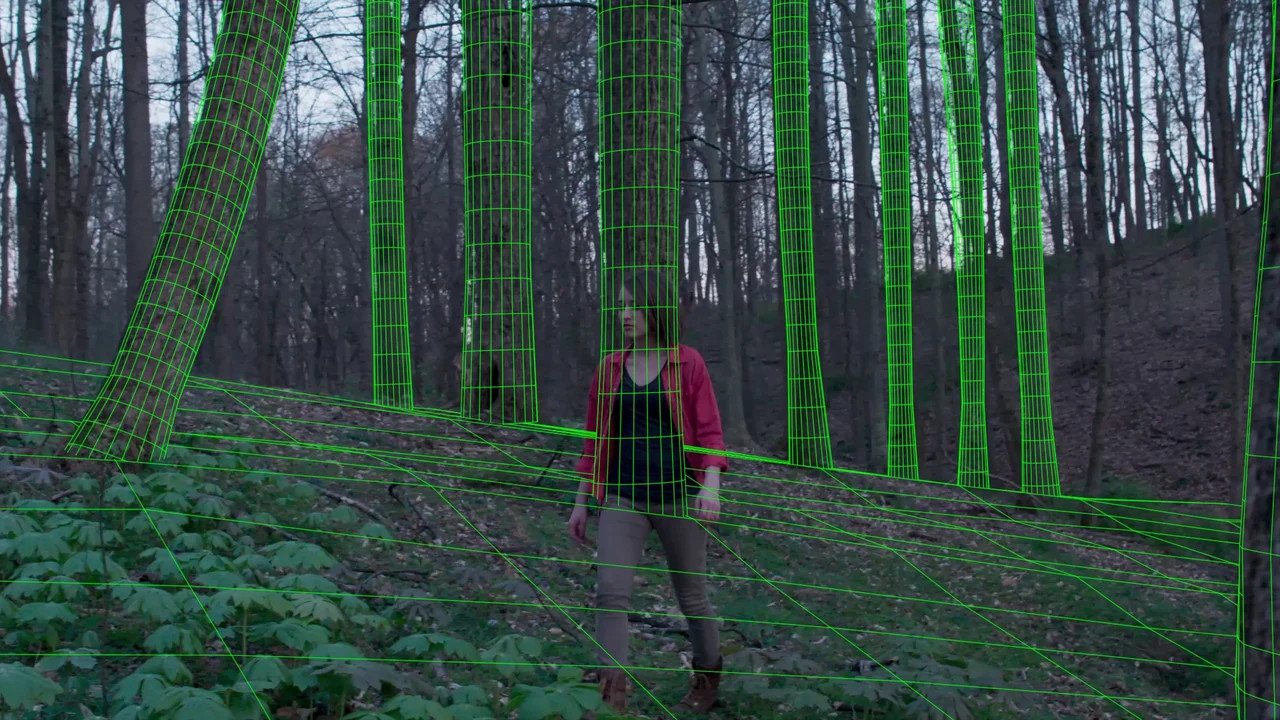
Camera and rigid-object tracking create a common space for live-action photography and digital work. Start with the shot, the references and what your next artist needs.
The scope follows the shot and the needs of the receiving team. Agree the required accuracy, references and review process before production.
01 / THE WORK
Camera tracking
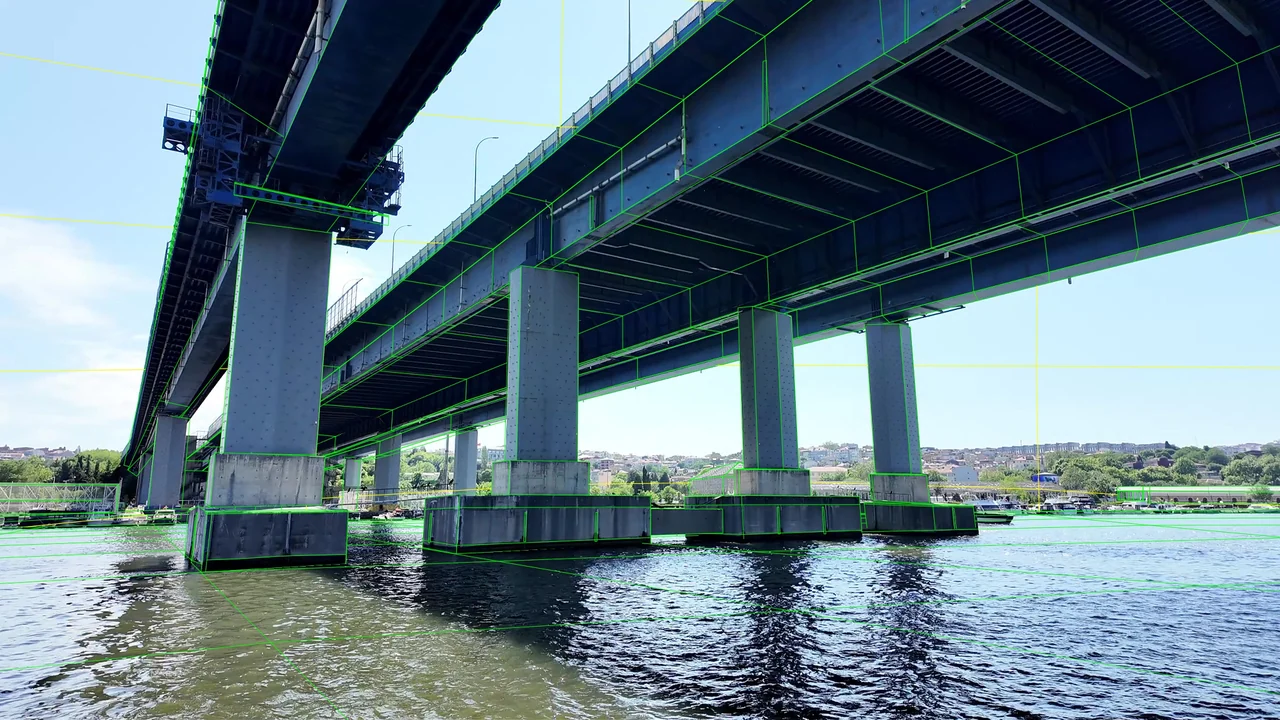
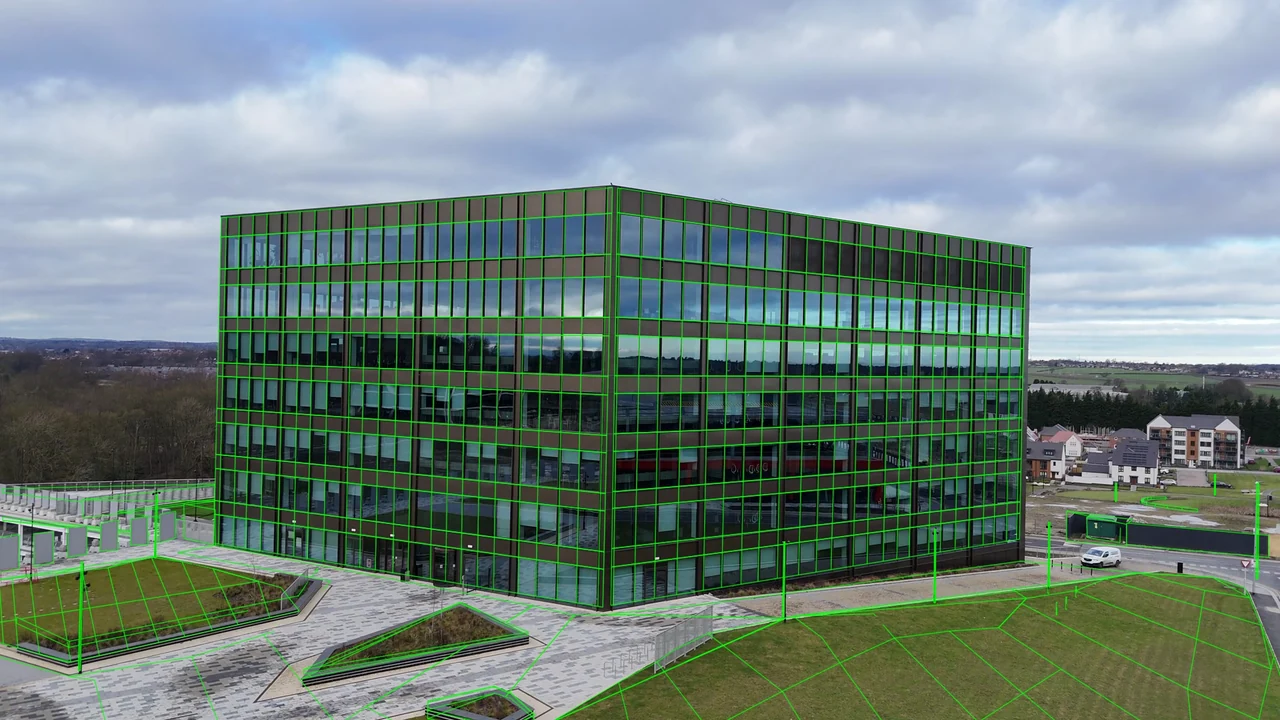
Reconstruct the viewpoint and movement needed to place digital elements into a photographed scene. Review perspective across the shot, with lens treatment and scale defined around the available reference.
Camera animation and scene orientation
Lens distortion workflow where required
Proxy layout and survey alignment where reference is available
02 / THE WORK
Object tracking
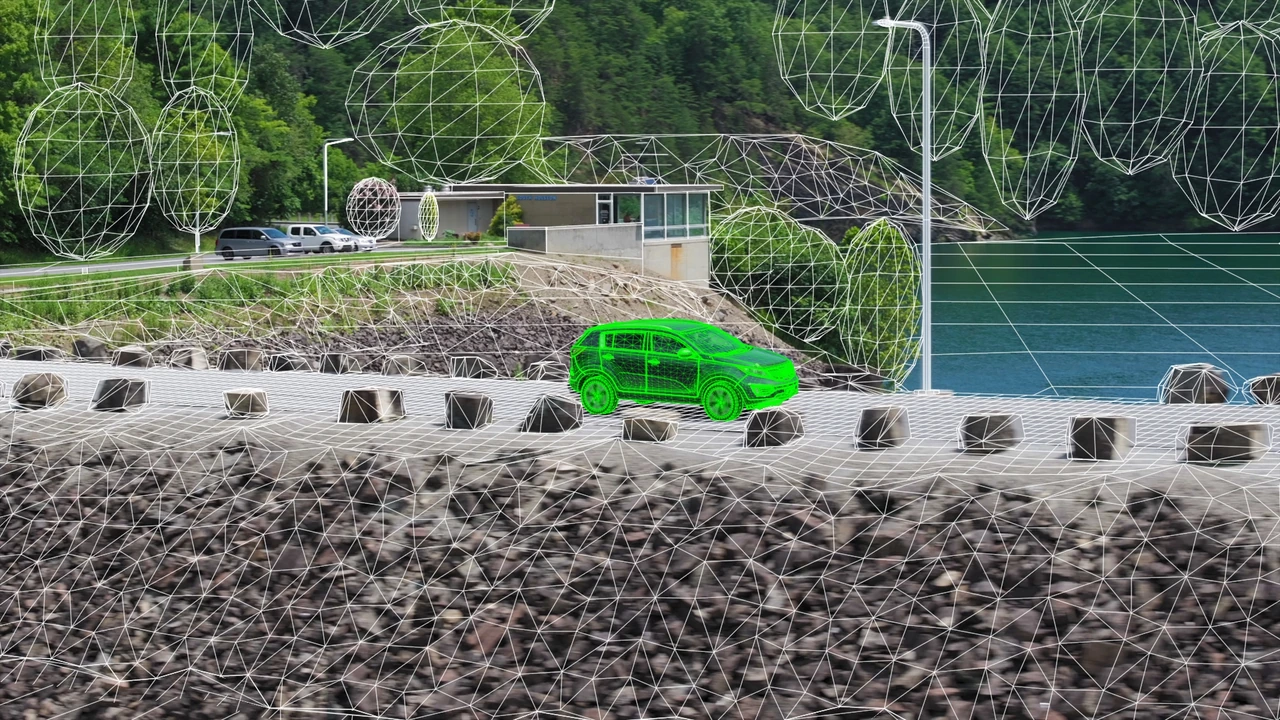
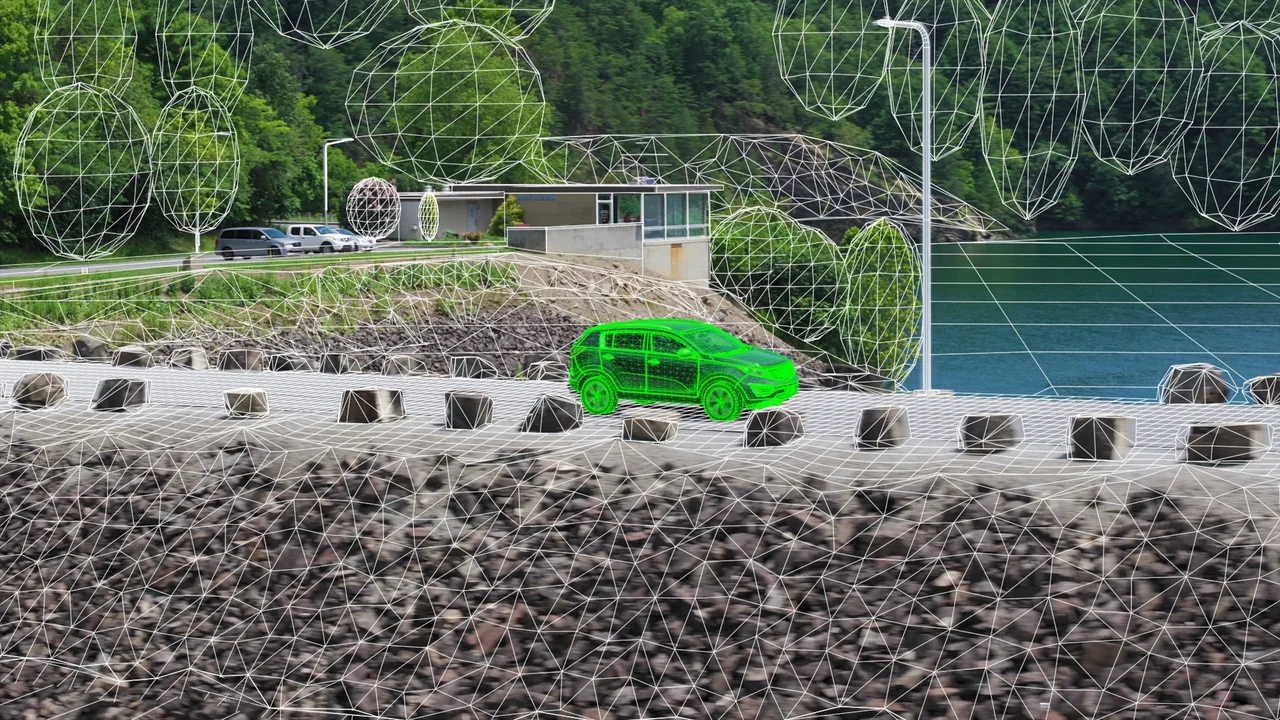
Match the position and orientation of a rigid moving object, such as a vehicle or prop. Review its movement relative to the camera, the scene and any contact surfaces.
Rigid-object transform animation
Model proportions and fit reviewed against the plate
Plate-based overlay renders for feedback
TOOLS & WORKFLOW
Tools selected for the shot.
Each application has a specific role in the work and its review.
3DEqualizer4 · PFTrack · SynthEyes
Camera and rigid-object tracking, lens workflows and reconstruction. The application is selected around the plate, available reference and delivery requirements.
Autodesk Maya
Proxy geometry, model fitting, camera and object scene assembly, and plate-based 3D validation.
Nuke
Image processing, lens-workflow checks and preparation of plate overlays, comparisons and delivery outputs.
Autodesk RV
Real-time playback and frame-by-frame inspection of perspective, object fit, contact and frame continuity.
RV and pipeline tools support review and delivery. Where the production uses Autodesk Flow Production Tracking, RV integration connects media versions and review notes to the handoff. Application versions, scene scale, lens treatment and delivery formats are agreed for the production.
What to include in your brief.
Start with the service, shot count and deadline. Detailed production materials can follow once confidentiality and transfer requirements are agreed.
Useful references and delivery requirements
Plates
Resolution, frame rate, frame range, handles and whether the plates are distorted or already undistorted.
Camera & lens
Camera and lens metadata, lens grids, focal changes and any notes on stabilisation or retiming, if available.
Scene reference
Survey, measurements, set photographs or known object dimensions to establish scale and scene orientation.
Object reference
The approved model, dimensions and useful reference views when a vehicle or prop also needs tracking.
Delivery
Preferred application and formats, units, up axis, frame numbering, naming and the receiving team’s requirements.
REVIEW BEFORE HANDOFF
Look at the result in the plate.
Review camera perspective across foreground and background features, object fit and contacts, lens behaviour and frame continuity. Resolve versioned notes against the agreed plate before preparing the final handoff.
EXAMPLE DELIVERY
Make it useful downstream.
We use tracking, scene assembly, image processing and review tools according to the shot. Your brief can request camera and object animation, lens data, named proxy geometry and a review render. Specific applications, export formats and delivery contents are confirmed before the shot begins.
Explore the studies.
Practice and supplied-footage examples. Each page explains what is shown, the review focus and the source context.
A moving camera typically needs a camera solve. A separately moving rigid object may also need its own track. Send a short description of the shot and intended effect so the scope can be assessed.
Can you work without survey data?
The available plate and reference determine what can be established reliably. If absolute scale or precise scene measurements matter, include known dimensions or survey information in the brief.
How is an estimate worked out?
Shot length, camera and object movement, visibility, lens changes, plate quality, geometry requirements and review scope all affect the work. A shot count and deadline provide a starting point; no fixed turnaround is implied.